
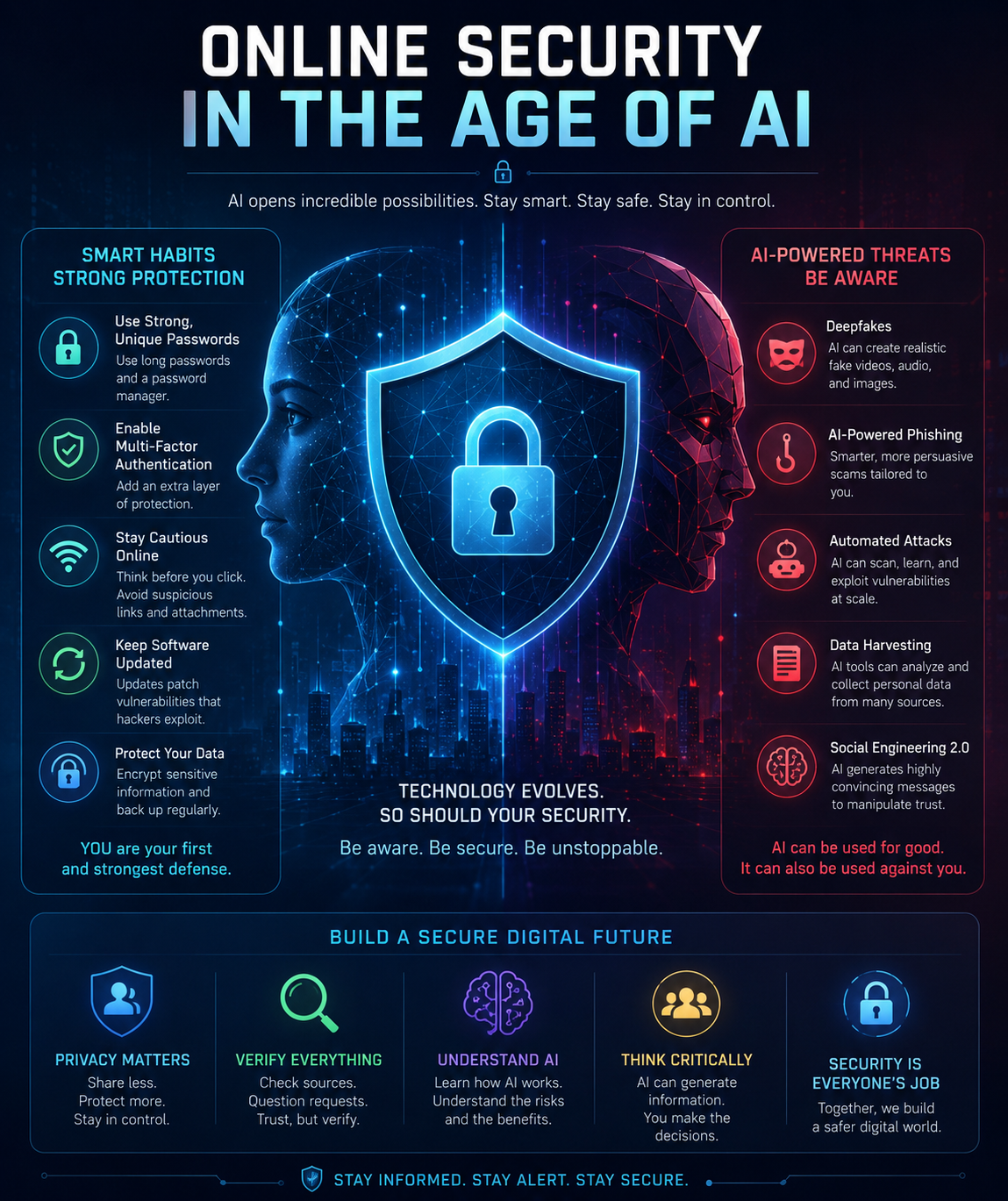
Online Safety in the Age of AI
As artificial intelligence (AI) continues to evolve and integrate into various aspects of our digital lives, online safety becomes more crucial than ever. AI technologies offer incredible benefits, from personalized services to improved security measures, but they also introduce new risks and challenges. Understanding these risks and adopting best practices can help individuals and organizations protect themselves in the digital age.
The Role of AI in Online Safety
AI is increasingly used to enhance cybersecurity. Machine learning algorithms can detect unusual patterns and potential threats faster than traditional methods. For example, AI-powered systems can identify phishing attempts, malware, and fraudulent activities in real-time, helping to prevent data breaches and cyberattacks.
However, cybercriminals also leverage AI to develop more sophisticated attacks. AI can be used to create convincing deepfake videos, automate phishing campaigns, or find vulnerabilities in software systems. This arms race between defenders and attackers makes it essential for users to stay informed and vigilant.
Key Online Safety Concerns in the Age of AI
1. Privacy Risks
AI systems often require large amounts of data to function effectively. This data collection can lead to privacy concerns, especially if sensitive personal information is mishandled or exposed. Users should be cautious about the information they share online and understand how companies use their data.
2. Deepfakes and Misinformation
AI-generated deepfake technology can create realistic but fake images, audio, or videos. These can be used to spread misinformation, manipulate public opinion, or defraud individuals. Critical thinking and verification of sources are essential to combat these threats.
3. Automated Attacks
AI enables attackers to automate and scale their operations. For instance, bots can perform credential stuffing attacks, trying thousands of username-password combinations to gain unauthorized access. Strong, unique passwords and multi-factor authentication are vital defenses.
4. Bias and Discrimination
AI systems can inadvertently perpetuate biases present in their training data, leading to unfair treatment or discrimination. Awareness and advocacy for transparent, ethical AI development are important to ensure equitable digital environments.
Best Practices for Staying Safe Online
- Use Strong Passwords: Create complex passwords and use a password manager to keep track of them.
- Enable Multi-Factor Authentication (MFA): Add an extra layer of security to your accounts.
- Keep Software Updated: Regular updates patch vulnerabilities that attackers might exploit.
- Be Skeptical of Unsolicited Requests: Verify the legitimacy of emails, messages, or links before interacting.
- Educate Yourself and Others: Stay informed about the latest cybersecurity threats and share knowledge with your community.
- Manage Privacy Settings: Adjust social media and app settings to limit data sharing.
- Use Trusted Security Tools: Employ reputable antivirus and anti-malware programs.
Conclusion
AI is a powerful tool that can both enhance and threaten online safety. By understanding the risks associated with AI and adopting proactive security habits, individuals can better protect their digital identities and contribute to a safer online ecosystem. Staying informed and cautious is the best defense in the rapidly changing landscape of AI and cybersecurity.
#OnlineSafety #ArtificialIntelligence #AI #CyberSecurity #CyberAwareness #DigitalSafety #DataPrivacy #PrivacyProtection #CyberThreats #Deepfakes #Misinformation #CyberDefense #InfoSec #Technology #MachineLearning #OnlineSecurity #CyberHygiene #StaySafeOnline #DigitalLiteracy #AIEthics #DataProtection #CyberAttack #CyberAwarenessMonth #InternetSafety #TechForGood #CyberResilience #FutureOfAI #SecureOnline #CyberEducation #SmartSecurity