
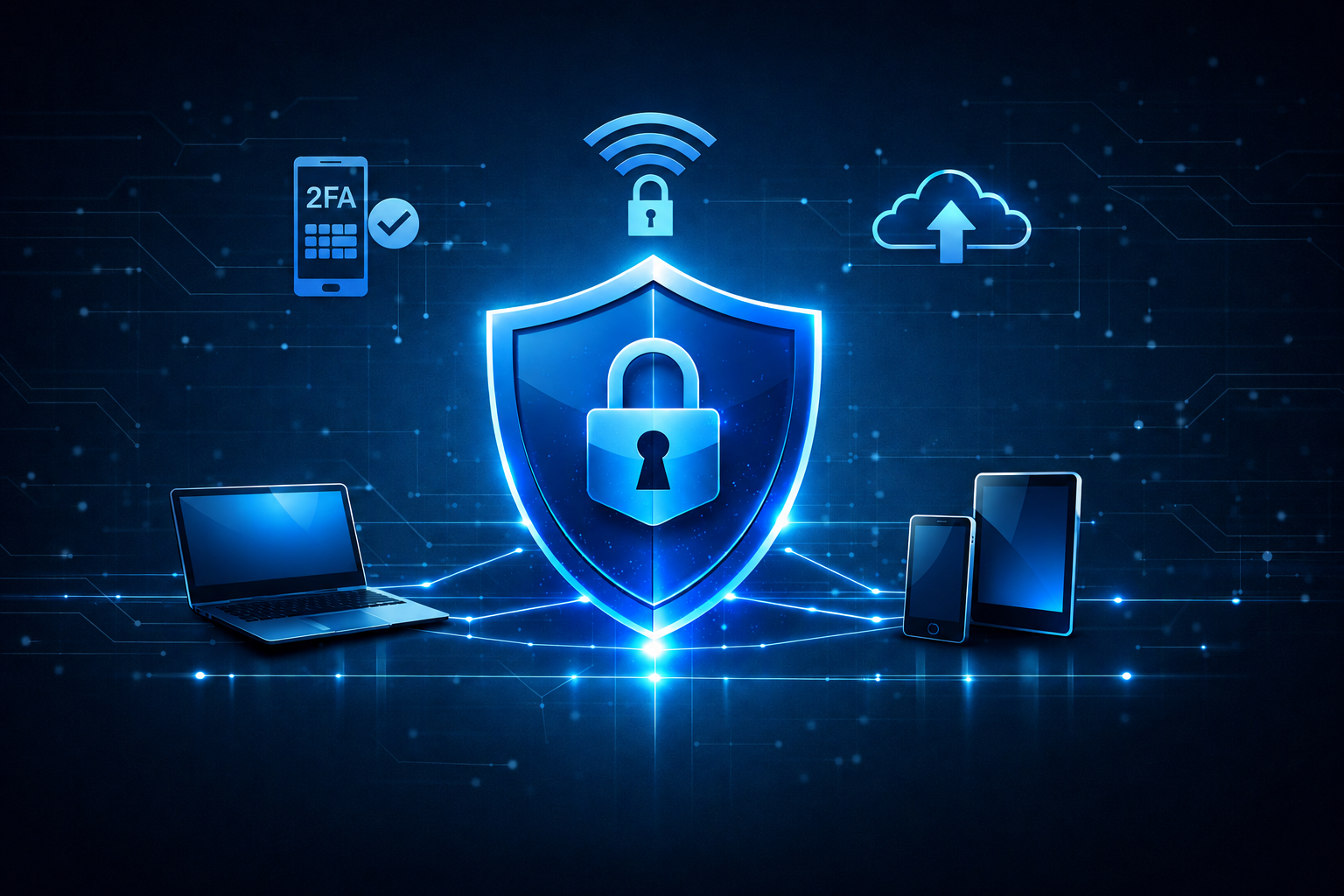
In today’s interconnected world, online security is more important than ever. With the increasing number of cyber threats, it’s essential to adopt best security practices to protect your personal information, financial data, and digital identity. Here are some key strategies to help you stay safe online.
1. Use Strong, Unique Passwords
One of the simplest yet most effective ways to secure your online accounts is by using strong, unique passwords. Avoid using easily guessable passwords like “123456” or “password.” Instead, create complex passwords that combine uppercase and lowercase letters, numbers, and special characters. Consider using a reputable password manager to generate and store passwords securely.
2. Enable Two-Factor Authentication (2FA)
Two-factor authentication adds an extra layer of security by requiring not only your password but also a second verification method, such as a code sent to your phone. Enabling 2FA on your important accounts (email, banking, social media) significantly reduces the risk of unauthorized access.
3. Keep Software Up to Date
Cybercriminals often exploit vulnerabilities in outdated software. Make sure to regularly update your operating system, browsers, antivirus programs, and all applications. These updates often include security patches that protect against the latest threats.
4. Be Cautious with Emails and Links
Phishing attacks remain a common method for stealing information. Be wary of emails from unknown senders, especially those that urge immediate action or ask for sensitive information. Avoid clicking on suspicious links or downloading attachments unless you are certain of their legitimacy.
5. Use Secure Wi-Fi Connections
Public Wi-Fi networks can be insecure and vulnerable to eavesdropping. When accessing sensitive information, use a virtual private network (VPN) to encrypt your internet connection. If possible, avoid performing financial transactions or logging into important accounts on public Wi-Fi.
6. Back Up Your Data Regularly
Data loss can occur due to cyber attacks, hardware failure, or accidental deletion. Regularly back up important files to an external drive or a secure cloud service. This ensures that you can recover your data if something goes wrong.
7. Limit Personal Information Sharing
Be mindful of the personal information you share on social media and other online platforms. Oversharing can make you a target for identity theft or social engineering attacks. Adjust your privacy settings to control who can see your posts and personal details.
8. Monitor Your Accounts and Credit Reports
Regularly check your bank statements, credit reports, and online accounts for any unusual activity. Early detection of fraudulent actions can help minimize damage and facilitate quicker resolution.
Conclusion
Online security is a continuous effort that requires vigilance and proactive measures. By implementing these best practices, you can significantly enhance your protection against cyber threats and enjoy a safer digital experience. Stay informed, stay cautious, and prioritize your online security.
#CyberSecurity #OnlineSecurity #DataProtection #InternetSafety #StaySafeOnline #PasswordSecurity #TwoFactorAuthentication #PhishingAwareness #VPN #DigitalPrivacy #InfoSec #CyberAwareness #IdentityTheftProtection #TechSecurity #DigitalSafety